Hernia Surgery

Safe and Effective Hernia Surgery in Chennai
Hernia surgery is a safe and effective treatment for repairing weakened muscles and preventing complications. At our center, Dr. Karthikeyan Jayakumar provides advanced hernia treatment in Chennai using modern surgical techniques that focus on precision, reduced pain, and faster recovery. Care is planned based on each patient's condition to ensure safe and effective outcomes.
We focus on early diagnosis and appropriate treatment planning to improve long-term results. With the use of minimally invasive procedures, hernia repair has become more comfortable and efficient, helping patients return to their normal routine with minimal disruption.
Key Highlights
Advanced Care: Modern techniques for effective hernia repair
Minimally Invasive: Smaller incisions and quicker recovery
Personalized Treatment: Tailored approach for every patient
Safety Focus: Procedures planned with patient well-being in mind
Faster Healing: Designed to reduce downtime and discomfort
What is a Hernia?
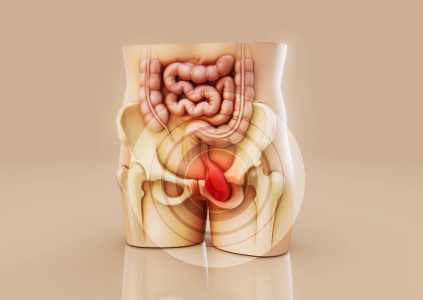
A hernia occurs when an internal organ or tissue pushes through a weak spot in the surrounding muscle or connective tissue. This often appears as a visible bulge and may cause discomfort, especially during activities like lifting, bending, or coughing. Hernias can develop gradually and may worsen over time if not treated appropriately.
We help patients understand their condition clearly and guide them through suitable treatment options. Early identification and proper management are important to prevent complications and ensure effective recovery with the right surgical approach.
Key Points
Muscle Weakness: Caused by weakened abdominal wall
Visible Bulge: Often noticeable under the skin
Activity-Related Pain: Discomfort during movement
Progressive Condition: Can worsen without treatment
Treatable Condition: Managed effectively with surgery
Types of Hernia
There are different types of hernias, each depending on the location and cause of the muscle weakness. The most common type is inguinal hernia, which occurs in the groin area. Other types include umbilical hernia near the navel, hiatal hernia affecting the upper stomach, and incisional hernia that develops at a previous surgical site.
We evaluate the type and severity of the hernia to recommend the most suitable treatment. Understanding the type helps in planning the procedure and ensuring a more targeted and effective surgical outcome.
Common Types
Inguinal Hernia: Occurs in the groin region
Umbilical Hernia: Appears near the navel
Hiatal Hernia: Affects the upper stomach area
Incisional Hernia: Develops at previous surgery site
Femoral Hernia: Seen in the upper thigh region
Symptoms of Hernia
Hernia symptoms can vary depending on the type and severity of the condition. The most common sign is a noticeable bulge, which may become more prominent when standing or straining. Some patients may also experience pain, discomfort, or a feeling of heaviness in the affected area.
We encourage early evaluation when symptoms are noticed, as timely treatment can prevent further complications. Recognizing these signs helps in seeking appropriate care and avoiding unnecessary discomfort or risk.
Common Symptoms
Visible Swelling: Bulge in abdomen or groin
Pain or Discomfort: Especially during lifting or bending
Heaviness Sensation: Feeling of pressure in affected area
Burning Feeling: Mild irritation or discomfort
Increasing Size: Bulge may grow over time
Early Warning Signs
In the early stages, hernia symptoms may be mild and often ignored. A small bulge or slight discomfort during physical activity can be an early indication. These signs may come and go initially but tend to become more noticeable over time.
We emphasize the importance of paying attention to these early warning signs. Early diagnosis allows for simpler treatment options and helps prevent complications such as severe pain or obstruction.
Early Indicators
Mild Discomfort: Slight pain during activity
Small Bulge: Appears and disappears initially
Strain Sensitivity: Pain during coughing or lifting
Temporary Swelling: Changes with posture
Gradual Progression: Symptoms worsen over time
Causes of Hernia
A hernia develops when there is a weakness in the muscle wall combined with pressure inside the abdomen. This pressure can push internal tissues or organs through the weakened area, leading to a visible bulge. Common causes include physical strain, long-term stress on abdominal muscles, and conditions that increase internal pressure.
We focus on identifying the underlying cause to plan appropriate treatment and reduce the risk of recurrence. Understanding these causes helps patients take preventive steps and seek timely care before the condition worsens.
Common Causes
Muscle Weakness: Congenital or acquired weakness in muscles
Heavy Lifting: Excess strain on abdominal wall
Chronic Cough: Repeated pressure on muscles
Constipation Strain: Increased abdominal pressure
Post-Surgery Weakness: Weakness at incision sites
Risk Factors
Certain factors can increase the likelihood of developing a hernia. These include lifestyle habits, existing medical conditions, and physical strain. Individuals with increased abdominal pressure or weakened muscles are more prone to developing hernias over time.
We assess individual risk factors to guide patients on preventive care and early intervention. Identifying these risks early can help avoid complications and support better long-term outcomes.
Key Risk Factors
Obesity: Excess weight increases pressure
Smoking: Weakens connective tissue
Aging: Muscles lose strength over time
Family History: Genetic predisposition
Physical Strain: Repetitive heavy activities
Hernia in Men vs Women
Hernias are more common in men, especially inguinal hernias, due to natural anatomical differences in the abdominal wall. Women may experience different types, such as femoral hernias, which can sometimes be less noticeable but may carry higher risks if untreated.
We evaluate each case based on individual anatomy and symptoms to ensure accurate diagnosis. Understanding these differences helps in selecting the most appropriate treatment approach and improving surgical outcomes.
Key Differences
Higher in Men: Inguinal hernias more common
Different Types: Femoral hernias more in women
Symptoms Variation: May differ in severity
Detection Differences: Some types less visible
Treatment Approach: Tailored based on gender
Hernia in Children
Hernias can also occur in children, often due to congenital muscle weakness present from birth. Umbilical and inguinal hernias are the most common types seen in infants and young children. In many cases, early diagnosis helps prevent complications and supports effective treatment.
We provide careful evaluation and appropriate management for pediatric hernias. Treatment decisions are made based on the child's age, symptoms, and severity, ensuring safe and gentle care.
Key Points
Congenital Cause: Present from birth
Common Types: Umbilical and inguinal
Visible Bulge: Often noticed by parents
Early Detection: Important for safe care
Child-Focused Treatment: Gentle and safe approach
Is Hernia Dangerous if Untreated?
If left untreated, a hernia can gradually increase in size and lead to complications. One of the most serious risks is strangulation, where the blood supply to the affected tissue is cut off. This condition requires immediate medical attention and can become life-threatening if not addressed promptly.
We emphasize early diagnosis and timely treatment to avoid such complications. Addressing a hernia at the right time helps ensure safer procedures and better recovery outcomes.
Possible Complications
Increased Size: Hernia may grow over time
Severe Pain: Sudden worsening discomfort
Strangulation Risk: Blocked blood supply
Obstruction: Digestive blockage in some cases
Emergency Situation: May require urgent surgery
When to See a Doctor
Hernia symptoms may start mildly but can worsen over time if ignored. It is important to seek medical advice when you notice persistent discomfort, a visible bulge, or changes in symptoms. Early consultation helps in proper evaluation and prevents the condition from progressing into complications.
We encourage timely medical attention so that treatment can be planned effectively. Identifying the condition at an early stage allows for safer procedures and better recovery outcomes.
When to Consult
Persistent Pain: Ongoing discomfort in abdomen or groin
Visible Bulge: Swelling that increases over time
Pain on Activity: Discomfort while lifting or bending
Digestive Issues: Nausea or difficulty passing stools
Sudden Severe Pain: Requires immediate attention
Diagnosis of Hernia
Hernia diagnosis usually begins with a physical examination where the affected area is carefully assessed. In many cases, the bulge becomes more noticeable when standing, coughing, or straining. Based on the findings, further imaging tests may be recommended for confirmation.
We use appropriate diagnostic methods to ensure accurate identification of the condition. Proper diagnosis helps in determining the type, size, and severity of the hernia, allowing us to plan the most suitable treatment approach.
Diagnostic Methods
Physical Examination: Initial assessment of swelling
Ultrasound Scan: Confirms soft tissue involvement
CT Scan: Detailed imaging in complex cases
MRI Scan: Used when further clarity is needed
Medical History Review: Understanding symptoms and risks
Types of Hernia Surgery
Hernia repair is mainly performed using two surgical approaches: open surgery and laparoscopic surgery. The choice of procedure depends on the type of hernia, its size, and the patient's overall health condition. Both methods aim to repair the weakened muscle and prevent recurrence.
We evaluate each case individually to recommend the most suitable surgical option. The focus is on ensuring effective repair while minimizing discomfort and supporting faster recovery.
Surgical Options
Open Surgery: Traditional method with direct repair
Laparoscopic Surgery: Minimally invasive keyhole procedure
Mesh Repair: Strengthens weakened muscle area
Tailored Approach: Based on patient condition
Safe Techniques: Focus on long-term results
Open vs Laparoscopic Surgery
Open surgery involves a larger incision to access and repair the hernia directly, while laparoscopic surgery uses small incisions and a camera to perform the procedure. Each method has its advantages, and the choice depends on individual needs and medical evaluation.
We guide patients in understanding both options clearly before deciding on the procedure. Minimally invasive techniques are often preferred for reduced pain and quicker recovery, but suitability varies from case to case.
Key Differences
Incision Size: Larger in open, smaller in laparoscopic
Pain Level: More in open, less in laparoscopic
Recovery Time: Slower vs faster healing
Hospital Stay: Longer vs shorter duration
Scarring: More visible vs minimal scars
Treatment Approach
Hernia treatment involves a step-by-step process starting from diagnosis to recovery. The goal is to provide safe and effective care tailored to each patient's condition. Treatment planning takes into account the type of hernia, symptoms, and overall health.
We focus on a structured approach to ensure clarity and confidence for patients. From initial consultation to post-surgical care, every stage is managed carefully to support better outcomes and smooth recovery.
Treatment Steps
Evaluation: Detailed assessment and diagnosis
Planning: Personalized treatment strategy
Procedure: Safe surgical intervention
Recovery Support: Guidance after surgery
Follow-Up Care: Monitoring healing progress
What Happens During Hernia Surgery
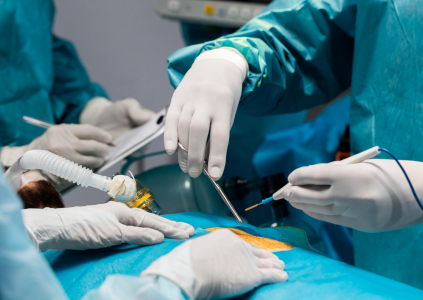
Hernia surgery is performed to repair the weakened muscle and place the tissue back in its proper position. Depending on the type of procedure, small or larger incisions may be made to access the affected area. The surgeon carefully repairs the defect, often using a mesh to strengthen the muscle wall and prevent recurrence.
We ensure that every step of the procedure is carried out with precision and safety. Patients are guided through the process beforehand so they understand what to expect, helping reduce anxiety and build confidence before surgery.
Procedure Overview
Anesthesia Used: Local or general anesthesia based on case
Incision Made: Access to the affected area
Tissue Reposition: Organ moved back to place
Mesh Placement: Strengthens muscle wall
Closure: Incision closed carefully
Preparation Before Surgery
Proper preparation before hernia surgery plays an important role in ensuring a smooth procedure and recovery. Patients may be advised to undergo certain tests and follow specific instructions regarding food, medications, and lifestyle habits before surgery.
We guide patients step-by-step during the preparation phase to ensure they are physically and mentally ready. Following these instructions helps reduce risks and improves overall surgical outcomes.
Pre-Surgery Guidelines
Medical Tests: Blood tests and imaging if required
Fasting: Avoid food before surgery as advised
Medication Review: Adjust current medications
Lifestyle Changes: Avoid smoking and alcohol
Doctor Consultation: Clarify doubts before procedure
Benefits of Laparoscopic Hernia Surgery
Laparoscopic hernia surgery is a minimally invasive technique that offers several advantages over traditional methods. Small incisions and the use of a camera allow for precise repair with less trauma to surrounding tissues.
We often recommend this approach when suitable, as it supports faster healing and improved patient comfort. Minimally invasive techniques are designed to reduce recovery time and help patients return to normal activities sooner.
Key Benefits
Less Pain: Reduced discomfort after surgery
Smaller Incisions: Minimal scarring
Faster Recovery: Quicker return to routine
Short Hospital Stay: Reduced hospitalization time
Lower Complications: Improved safety outcomes
Recovery Time After Hernia Surgery
Recovery time varies depending on the type of surgery and the patient's overall health. Most patients can resume light activities within a few days, while complete recovery may take a few weeks. Following medical advice during this period is essential for proper healing.
We provide clear recovery guidelines to support a smooth healing process. Patients are monitored and guided to gradually return to their normal activities while avoiding strain on the surgical site.
Recovery Timeline
Initial Rest: First few days after surgery
Light Activities: Resume gradually within a week
Full Recovery: Typically within a few weeks
Work Return: Depends on nature of job
Follow-Up Visits: Ensure proper healing
Post-Surgery Care Tips
Post-surgical care is important to ensure proper healing and reduce the risk of complications. Patients are advised to follow specific instructions related to wound care, activity levels, and medication after surgery.
We support patients throughout the recovery phase with clear guidance and follow-up care. Proper care during this stage helps achieve better outcomes and prevents recurrence or discomfort.
Care Guidelines
Wound Care: Keep surgical area clean and dry
Avoid Strain: No heavy lifting initially
Healthy Diet: Supports healing process
Medication Compliance: Take prescribed medicines
Regular Checkups: Monitor recovery progress
| Feature | Open Surgery | Laparoscopic Surgery |
|---|---|---|
| Incision Size | Larger incision | Small keyhole incisions |
| Pain Level | More post-surgery pain | Less pain and discomfort |
| Recovery Time | Longer recovery period | Faster recovery time |
| Hospital Stay | May require longer stay | Usually shorter stay |
| Scarring | Visible scar | Minimal scarring |
| Return to Work | Takes more time | Quicker return to routine |
| Risk of Infection | Slightly higher | Lower risk |
| Procedure Type | Traditional method | Minimally invasive technique |
Conclusion: We ensure every step of your treatment supports safe healing and lasting results.
A hernia may appear mild initially, but timely evaluation and treatment can prevent complications and support better recovery. We focus on helping you understand your condition clearly and guiding you towards the most suitable treatment. With modern surgical techniques, safe and effective care is possible with a smoother recovery process.
If you are experiencing symptoms or need proper evaluation, we are here to help you take the next step with confidence. Let's work together towards the right treatment and a comfortable recovery.
FAQs
1. What is a hernia and how is it treated?
A hernia occurs when an internal tissue pushes through a weak muscle wall, often causing a visible bulge. We treat hernia using surgical methods such as open or laparoscopic repair based on the condition.
2. Is hernia surgery necessary in all cases?
In most cases, hernia does not heal on its own and may worsen over time. We recommend surgery when symptoms increase or there is a risk of complications.
3. What is laparoscopic hernia surgery?
Laparoscopic surgery is a minimally invasive procedure performed using small incisions and a camera. We use this method to reduce pain, minimize scarring, and support faster recovery when suitable.
4. How long does it take to recover from hernia surgery?
Recovery time varies depending on the type of surgery and overall health. Most patients resume normal activities within a few weeks with proper care and guidance.
5. When should we consult a doctor for hernia symptoms?
We should seek medical advice if there is persistent pain, a growing bulge, or discomfort during daily activities. Early evaluation helps prevent complications and ensures timely treatment.