Fissure Treatment
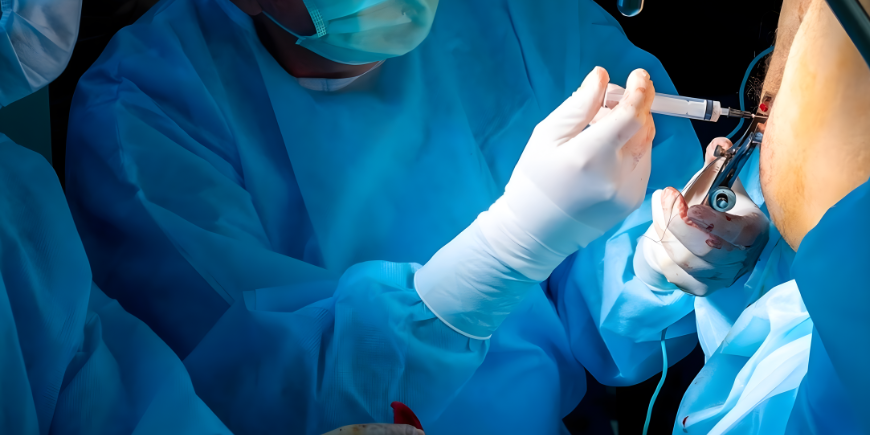
Fissure Treatment in Chennai for Comfortable Healing and Long-Term Relief from Anal Fissures
A Precise and Patient-Centered Approach to Managing Anal Fissures
Anal fissure is a condition I frequently encounter in patients who experience sharp pain during bowel movements, often followed by discomfort that can last for hours. While it may begin as a small tear in the anal lining, the condition can quickly become chronic if not managed properly. As a Doctor for Fissure Treatment in Chennai, my approach is to identify the stage of the fissure early and provide treatment that promotes healing while preventing recurrence.
With advancements in treatment methods, fissure care has become more effective and patient-friendly. I focus on combining medical management, lifestyle correction, and when required, minimally invasive procedures to ensure complete recovery. The goal is not only to relieve pain but to restore normal bowel function and improve overall quality of life.
Key Priorities in My Fissure Treatment Approach
-
Identifying whether the fissure is acute or chronic
-
Reducing pain and muscle spasm effectively
-
Promoting natural healing of the tear
-
Preventing recurrence through lifestyle guidance
-
Using minimally invasive procedures when needed
-
Ensuring long-term digestive comfort
How Anal Fissures Develop and Why They Persist
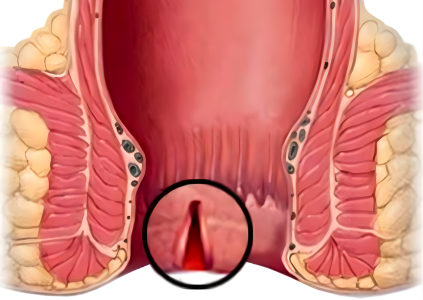
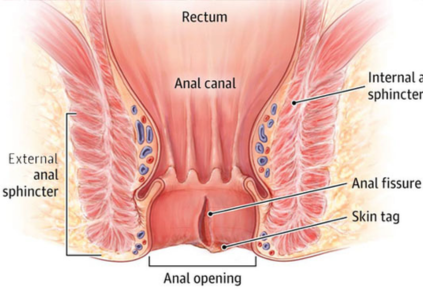
Anal fissures typically develop due to trauma to the anal lining, most commonly from passing hard stools or repeated straining. In the early stage, the tear may heal with proper care, but if irritation continues, it can become chronic and difficult to heal. Persistent muscle spasm around the fissure further reduces blood flow, slowing the healing process.
In my clinical observation, many patients unintentionally worsen the condition by delaying treatment or continuing habits that contribute to the tear. Understanding how fissures develop helps in selecting treatment strategies that not only heal the existing fissure but also prevent further damage.
Common Causes Behind Anal Fissures
-
Chronic constipation and hard stools
-
Repeated straining during bowel movements
-
Low fiber intake
-
Dehydration
-
Prolonged sitting habits
-
Irregular bowel patterns
Early Symptoms That Patients Often Misinterpret
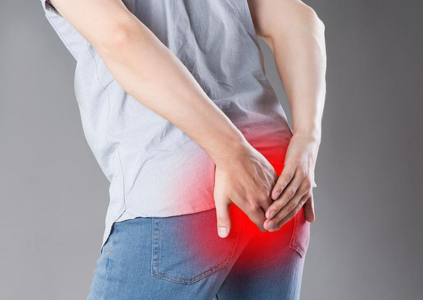
One of the challenges in fissure management is that early symptoms are often mistaken for temporary discomfort. Patients may ignore the initial pain, assuming it will resolve on its own. However, early symptoms usually indicate the beginning of a tear that requires attention.
From my experience, early diagnosis allows for simpler and more effective treatment, often avoiding the need for surgical intervention. Recognizing these signs helps in initiating treatment at the right time.
Early Signs of Anal Fissure
-
Sharp pain during bowel movements
-
Burning sensation after passing stool
-
Small amount of bleeding
-
Discomfort while sitting
-
Tightness in the anal area
-
Mild irritation or itching
Signs That Indicate a Chronic or Worsening Condition
As the fissure becomes chronic, symptoms tend to intensify and persist for longer durations. At this stage, patients may experience severe pain and difficulty maintaining normal daily activities. Chronic fissures may not respond well to basic treatment and may require procedural intervention.
As a specialist in Anal Fissure Surgery in Chennai, I recommend timely evaluation when symptoms persist or worsen, as early intervention can prevent complications and ensure faster recovery.
Warning Signs That Need Medical Attention
-
Severe and prolonged pain after bowel movements
-
Recurrent bleeding
-
Visible tear that does not heal
-
Persistent discomfort despite treatment
-
Muscle spasm causing tightness
-
Difficulty in regular bowel movements
Differentiating Acute and Chronic Fissures for Targeted Treatment
Not all fissures behave the same way, and identifying whether the condition is acute or chronic plays a crucial role in treatment planning. Acute fissures are recent tears that may heal with proper medical care, while chronic fissures are long-standing and often associated with persistent symptoms and delayed healing.
In my clinical assessment, I look for specific indicators such as duration of symptoms, severity of pain, and visible changes in the tissue. This distinction helps in deciding whether conservative management is sufficient or if procedural intervention is required.
Key Differences I Consider During Evaluation
-
Duration of symptoms (recent vs long-standing)
-
Severity and persistence of pain
-
Healing response to initial treatment
-
Presence of muscle spasm
-
Tissue changes indicating chronicity
-
Recurrence of symptoms over time
Treatment Planning Based on Severity and Patient Condition
Fissure treatment requires a personalized approach rather than a one-size-fits-all method. I design treatment plans based on the stage of the fissure, patient lifestyle, and response to previous treatments. Early-stage fissures often respond well to medication and lifestyle correction, while chronic cases may need procedural or surgical intervention.
As part of Effective Fissure Treatment, the focus is always on relieving pain, improving blood flow to the area, and allowing the fissure to heal completely without recurrence.
Treatment Options I Commonly Use
-
Dietary and lifestyle modifications
-
Medications to reduce pain and inflammation
-
Stool softeners for easier bowel movements
-
Topical treatments to promote healing
-
Minimally invasive procedures
-
Surgical intervention for chronic fissures
Advanced Techniques That Improve Healing and Reduce Discomfort
Modern fissure treatment has advanced with techniques that specifically target muscle spasm and improve blood flow, which are key factors in healing. Minimally invasive procedures allow effective treatment without extensive tissue damage, making recovery smoother for patients.
In my practice, I use advanced methods when necessary to ensure that healing is achieved with minimal discomfort. These techniques are particularly beneficial in chronic fissures that do not respond to conservative management.
Benefits of Modern Treatment Approaches
-
Reduced pain during and after treatment
-
Faster healing process
-
Minimal tissue damage
-
Lower risk of recurrence
-
Shorter recovery period
-
Improved patient comfort
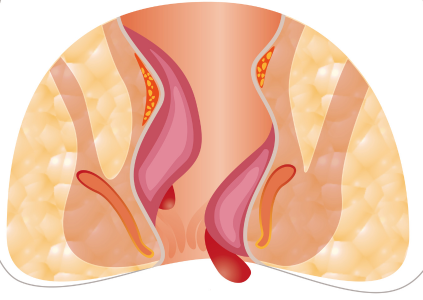
Step-by-Step Clinical Approach to Fissure Treatment
A clear and structured treatment pathway helps patients understand what to expect and ensures better outcomes. I follow a systematic process that focuses on accurate diagnosis, appropriate intervention, and continuous monitoring.
This approach ensures that each patient receives care that is both effective and aligned with their specific condition.
Treatment Process Overview
| Stage | What I Do | Patient Benefit |
|---|---|---|
| Initial Consultation | Detailed symptom discussion and assessment | Clear understanding of condition |
| Clinical Evaluation | Physical examination and diagnosis | Accurate identification of fissure type |
| Treatment Planning | Selection of medical or surgical approach | Personalized treatment |
| Procedure / Intervention | Perform required treatment with precision | Effective relief and healing |
| Recovery Monitoring | Guide healing and manage symptoms | Smooth recovery |
| Follow-Up | Prevent recurrence and ensure progress | Long-term relief |
What Makes This Treatment Approach Effective
-
Accurate differentiation between acute and chronic fissure
-
Focus on both symptom relief and healing
-
Use of modern and minimally invasive techniques
-
Personalized treatment planning
-
Continuous monitoring during recovery
-
Strong emphasis on preventing recurrence
Healing Timeline and Recovery Pattern After Fissure Treatment
Recovery from an anal fissure depends on whether the condition was treated in its early stage or after it became chronic. In most acute cases, healing begins within a few days once pain is controlled and bowel movements become smoother. However, chronic fissures may require a longer healing period, especially if procedural treatment is involved.
In my practice, I ensure that patients understand the healing timeline clearly so they can follow the right care routine. The goal during recovery is to reduce strain on the affected area, maintain consistent bowel habits, and allow the tissue to heal naturally without repeated injury.
Key Recovery Practices I Recommend
-
Maintain soft and regular bowel movements
-
Follow prescribed medications consistently
-
Stay well hydrated throughout the day
-
Avoid straining during bowel movements
-
Limit prolonged sitting in early recovery
-
Attend follow-up consultations for monitoring
Why Early Fissure Treatment Leads to Better Outcomes
One of the most important factors influencing fissure treatment success is how early the condition is addressed. Acute fissures respond much better to conservative management, while delayed treatment can lead to chronic fissures that require more advanced intervention.
From my clinical experience, patients who seek treatment early often avoid long-term discomfort and recover faster. Early intervention also reduces the likelihood of complications such as persistent pain and repeated tearing.
Benefits of Early Treatment
-
Faster healing of the fissure
-
Reduced pain and discomfort
-
Avoidance of surgical intervention
-
Lower risk of chronic fissure formation
-
Shorter recovery period
-
Improved overall bowel health
How I Determine When Surgical Intervention Becomes Necessary
Not every fissure requires surgery, and careful evaluation is essential before recommending any procedure. I assess how the fissure responds to initial treatment, the duration of symptoms, and the level of muscle spasm before deciding the next step.
When conservative methods are no longer effective, surgical or minimally invasive intervention may be required to relieve muscle tension and allow healing. The decision is always based on ensuring the best possible outcome with minimal disruption to normal function.
Factors That Influence Treatment Decisions
-
Duration and persistence of symptoms
-
Severity of pain and muscle spasm
-
Response to medical treatment
-
Recurrence of fissure
-
Impact on daily activities
-
Overall patient health condition
Maintaining Safety and Precision in Fissure Treatment
Fissure treatment involves managing delicate tissue and ensuring proper healing without complications. My approach focuses on precision in both diagnosis and treatment, ensuring that the procedure chosen is safe and effective for the specific condition.
With modern techniques and careful planning, the risks associated with fissure treatment can be minimized significantly. Clear communication and post-treatment guidance also play a key role in achieving successful outcomes.
Safety Measures I Follow
-
Detailed clinical evaluation before treatment
-
Selection of an appropriate treatment method
-
Use of advanced and minimally invasive techniques
-
Strict hygiene and sterilization protocols
-
Continuous monitoring during recovery
-
Regular follow-up for long-term results
Moving Toward Comfortable Bowel Health with the Right Fissure Care
Anal fissures can significantly affect daily comfort, especially when pain becomes persistent and interferes with routine activities. However, with the right approach to diagnosis and treatment, most fissures can be managed effectively and healed completely. In my practice, I focus on providing care that not only relieves symptoms but also restores normal bowel function and prevents recurrence.
Modern fissure treatment methods allow patients to recover more comfortably with minimal disruption to their lifestyle. As a specialist providing Fissure Treatment in Chennai, my goal is to guide patients through a structured treatment plan that leads to complete healing, reduced discomfort, and long-term digestive well-being.
What You Should Keep in Mind
-
Early diagnosis improves healing outcomes
-
Proper treatment prevents chronic fissure formation
-
Minimally invasive methods support faster recovery
-
Consistent aftercare ensures better results
-
Lifestyle changes reduce recurrence risk
-
Expert guidance improves long-term comfort
Book Your Consultation for Fissure Treatment in Chennai
If you are experiencing persistent pain during bowel movements, discomfort, or signs of an anal fissure, it is important to seek medical advice early. Timely treatment can help prevent complications and ensure a smoother recovery.
I’m Dr. Karthikeyan Jayakumar, providing advanced fissure care at Hayagriva Hospital, Chennai. My approach focuses on accurate diagnosis, effective treatment, and long-term relief.
FAQs on Fissure Treatment
1. When should I consult a doctor for fissure treatment in Chennai?
You should consult a doctor if you experience persistent pain, bleeding, or discomfort during bowel movements that does not improve with basic care.
2. Can anal fissure heal without surgery?
Yes, many acute fissures can heal with medication and lifestyle changes, but chronic fissures may require procedural or surgical treatment.
3. Is fissure treatment painful?
Modern treatment methods aim to reduce pain and improve comfort during and after treatment.
4. How long does it take for a fissure to heal?
Healing time varies, but acute fissures may heal within a few weeks, while chronic cases may take longer depending on treatment.
5. Can fissures come back after treatment?
Yes, recurrence is possible if underlying causes like constipation are not managed, but proper care can significantly reduce the risk.