Lipoma Removal

Lipoma Removal in Chennai for Safe and Complete Removal of Benign Fatty Lumps
A Focused Surgical Approach for Accurate Diagnosis and Effective Lipoma Treatment
In my practice, I frequently see patients who notice a soft, painless lump under the skin and are unsure whether it requires medical attention. In many cases, these lumps are lipomas, which are benign growths made up of fatty tissue. While lipomas are generally non-cancerous, they can gradually increase in size and may cause discomfort or concern over time. As a Lipoma Removal Doctor in Chennai, my approach is to carefully evaluate each case and determine whether removal is necessary based on symptoms, size, and location.
Lipoma treatment has become more precise with modern surgical techniques that allow complete removal with minimal discomfort. My focus is not only on removing the lump but also on ensuring that the surrounding tissues remain unaffected and that recurrence is minimized. Each procedure is planned to achieve both functional and cosmetic satisfaction for the patient.
Key Aspects I Focus on in Lipoma Removal
-
Accurate identification of the lump as a lipoma
-
Evaluating size, depth, and location
-
Differentiating from other types of swellings
-
Planning safe and complete removal
-
Minimizing scarring and tissue damage
-
Ensuring long-term results without recurrence
Understanding How Lipomas Develop and Their Nature
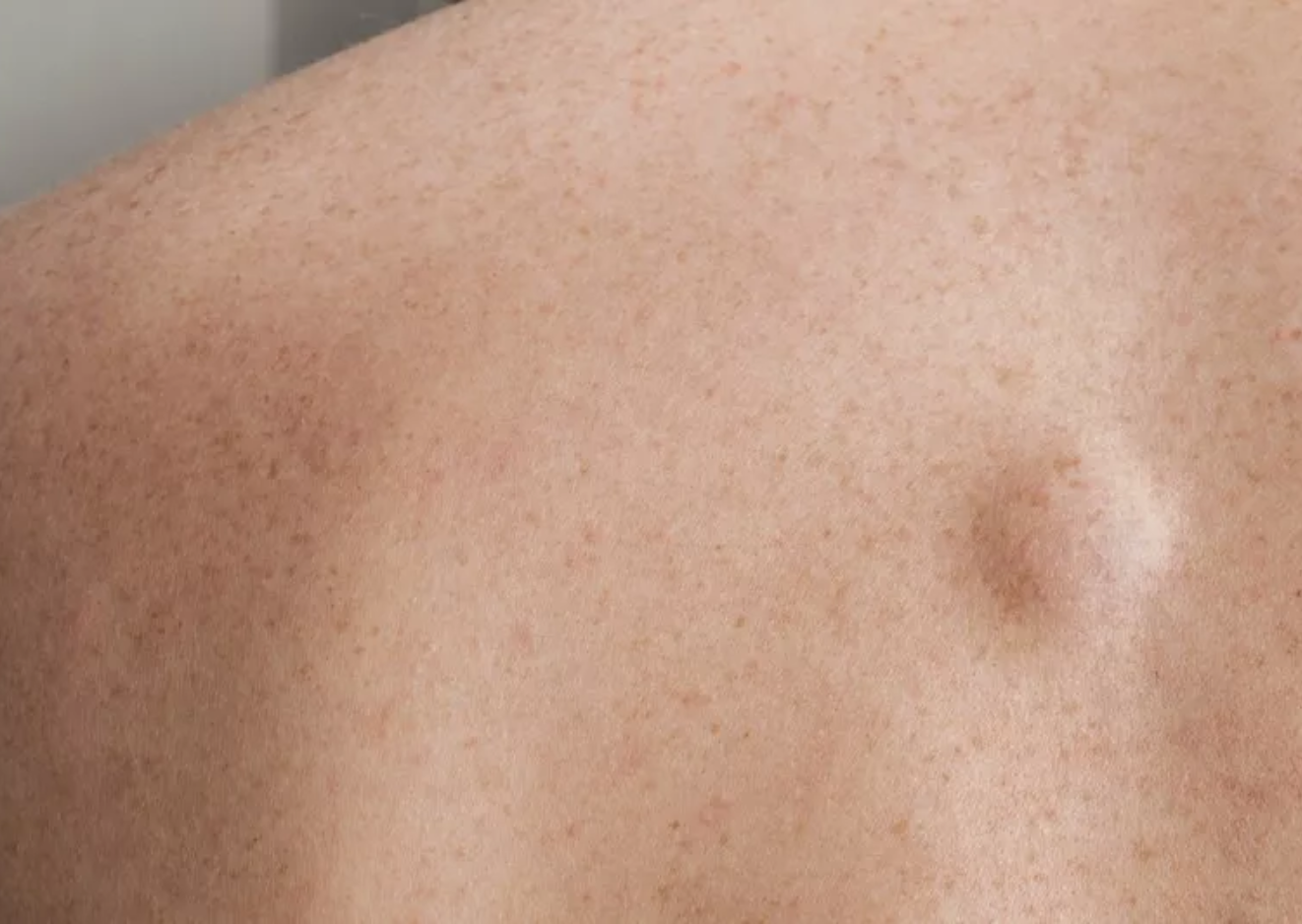
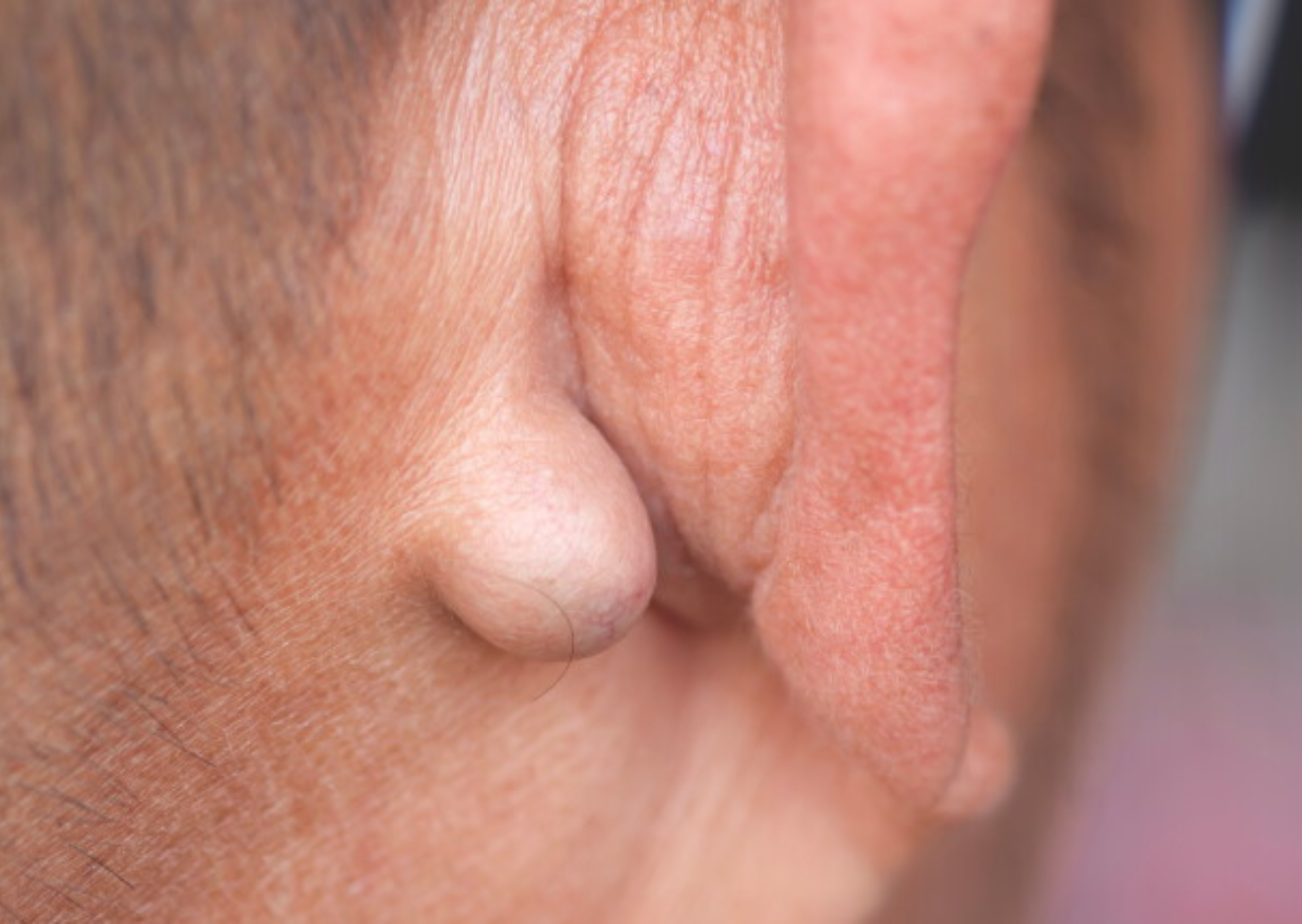
Lipomas develop when fat cells grow in a localized area beneath the skin, forming a soft, movable lump. These growths are usually slow-growing and may remain unnoticed for a long time. While the exact cause is not always clear, factors such as genetic predisposition and minor tissue changes may contribute to their development.
From a clinical perspective, lipomas are typically harmless, but they may require removal if they increase in size, cause discomfort, or affect appearance. Understanding their behavior helps in deciding whether observation or surgical removal is the appropriate approach.
Characteristics of Lipomas I Commonly Observe
-
Soft and rubbery texture
-
Slow growth over time
-
Movable under the skin
-
Usually painless
-
Located in areas like neck, back, or arms
-
Well-defined shape and structure
Early Observations Patients Should Pay Attention To
Many patients initially ignore small lumps because they do not cause pain. However, monitoring early changes is important to ensure that the condition is properly evaluated. While most lipomas are harmless, not all lumps are lipomas, and proper diagnosis is essential.
In my approach, I encourage patients to seek evaluation when they notice any new or growing lump, as early assessment helps avoid uncertainty and ensures appropriate management.
Early Signs That Require Evaluation
-
Small lump appearing under the skin
-
Gradual increase in size
-
Soft swelling that moves on touch
-
Mild discomfort in certain positions
-
Lump becoming more noticeable over time
-
Concern about cosmetic appearance
When a Lipoma Requires Medical or Surgical Removal
Not all lipomas need to be removed immediately, but certain conditions make removal necessary. In my clinical decision-making, I recommend removal when the lipoma causes discomfort, restricts movement, or shows changes that require further evaluation.
As a specialist in Lipoma Treatment in Chennai, I ensure that patients receive clear guidance on whether removal is required and what treatment approach would be most suitable.
Situations Where Removal is Recommended
-
Rapid increase in size
-
Pain or discomfort in the area
-
Restriction of movement
-
Cosmetic concerns
-
Uncertain diagnosis
-
Recurrent lipoma growth
Variations of Lipomas and Their Clinical Significance
Not all lipomas present in the same way, and understanding their variation is important in deciding the right treatment approach. While most lipomas are simple and located just beneath the skin, some may extend deeper or involve surrounding tissues. Identifying these differences helps in planning a safe and effective removal procedure.
In my evaluation, I assess the size, depth, and location of the lipoma, along with any changes in its characteristics. This ensures that the removal is complete and that the procedure is tailored to the specific type of lipoma.
Types of Lipomas I Commonly Diagnose
-
Superficial lipomas located under the skin
-
Deep lipomas involving muscle layers
-
Angiolipomas associated with blood vessels
-
Multiple lipomas in different areas
-
Fibrous lipomas with denser tissue
-
Recurrent lipomas after previous removal
Deciding Between Observation and Surgical Removal
Not every lipoma requires immediate surgical removal. In cases where the lipoma is small, painless, and stable in size, observation may be sufficient. However, careful monitoring is necessary to ensure that no changes occur over time.
When the lipoma begins to grow, cause discomfort, or affect appearance, surgical removal becomes the preferred option. As part of Lipoma Treatment in Chennai, I guide patients through this decision process, ensuring that they understand the benefits and necessity of removal.
Factors That Influence Treatment Choice
-
Size and growth pattern of the lipoma
-
Presence of pain or discomfort
-
Location affecting movement or function
-
Cosmetic concerns
-
Changes in texture or consistency
-
Patient preference and comfort
Modern Techniques Used for Lipoma Removal
Lipoma removal has become more refined with the use of advanced surgical techniques. The focus is on complete removal of the fatty tissue while minimizing damage to surrounding structures. This ensures both effective treatment and better cosmetic outcomes.
In my practice, I use precise surgical methods that allow controlled removal with minimal scarring. The approach is always selected based on the characteristics of the lipoma and patient needs.
Benefits of Modern Lipoma Removal Techniques
-
Precise removal of the entire lipoma
-
Minimal scarring and better cosmetic results
-
Reduced discomfort during recovery
-
Faster healing process
-
Lower risk of recurrence
-
Short and efficient procedure time
Step-by-Step Approach I Follow for Lipoma Removal
A structured approach helps ensure that lipoma removal is performed safely and effectively. From diagnosis to follow-up, each stage is carefully planned to provide clarity and confidence for the patient.
This systematic process allows for accurate treatment while minimizing complications and ensuring long-term results.
Treatment Process Overview
| Stage | What I Do | Patient Benefit |
|---|---|---|
| Initial Consultation | Evaluate lump and medical history | Clear understanding of condition |
| Clinical Assessment | Confirm diagnosis and rule out other conditions | Accurate identification |
| Treatment Planning | Decide observation or removal | Personalized decision |
| Procedure | Perform surgical removal with precision | Complete removal |
| Recovery Care | Guide healing and wound care | Smooth recovery |
| Follow-Up | Monitor healing and prevent recurrence | Long-term results |
What Makes This Approach Effective
-
Accurate diagnosis before treatment
-
Individualized decision-making
-
Use of precise surgical techniques
-
Focus on cosmetic and functional outcomes
-
Continuous monitoring during recovery
-
Strong emphasis on preventing recurrence
Healing Progress and Recovery After Lipoma Removal
Recovery after lipoma removal is usually straightforward, especially when the procedure is planned and performed with precision. Most patients experience minimal discomfort, and healing begins soon after the procedure. However, proper post-procedure care plays an important role in ensuring smooth recovery and optimal results.
In my approach, I guide patients on how to manage the treated area, reduce strain, and support tissue healing. The recovery period is generally short, but following the right care routine helps prevent complications and ensures better cosmetic outcomes.
Key Recovery Practices I Recommend
-
Keep the surgical site clean and dry
-
Follow prescribed medications regularly
-
Avoid pressure on the treated area
-
Monitor for any swelling or discomfort
-
Limit strenuous activity initially
-
Attend follow-up visits for assessment
Why Early Removal Can Simplify Treatment
Many patients prefer to wait until a lipoma becomes large or uncomfortable before considering removal. However, from a clinical perspective, early removal can make the procedure simpler and more efficient. Smaller lipomas are easier to remove and usually involve less tissue disruption.
In my experience, early intervention also improves cosmetic outcomes and reduces recovery time. Addressing the condition at the right stage ensures a smoother treatment process and better overall results.
Advantages of Early Lipoma Removal
-
Simpler and quicker procedure
-
Reduced surgical complexity
-
Minimal tissue involvement
-
Faster healing and recovery
-
Better cosmetic results
-
Lower likelihood of recurrence
How I Decide Whether Removal is Necessary for Each Case
Not every lipoma requires removal, and careful evaluation is essential before recommending any procedure. I assess the characteristics of the lump, its behavior over time, and its impact on the patient’s daily life before making a decision.
This approach ensures that patients receive treatment only when it is truly beneficial. When removal is recommended, it is planned in a way that ensures complete and safe excision.
Factors That Guide My Decision-Making
-
Size and growth rate of the lipoma
-
Location and depth of the lump
-
Presence of discomfort or pain
-
Cosmetic concerns
-
Changes in the lump’s characteristics
-
Patient preference and expectations
Maintaining Precision and Safety During Lipoma Removal
Lipoma removal may appear to be a simple procedure, but precision is essential to ensure complete removal and avoid recurrence. My approach focuses on careful planning and execution, ensuring that the entire lipoma is removed while preserving surrounding tissues.
Modern surgical methods allow for safe and controlled removal, minimizing complications and improving recovery outcomes. Clear patient guidance before and after the procedure also contributes to successful treatment.
Safety Measures I Follow
-
Detailed pre-procedure evaluation
-
Accurate identification of lipoma boundaries
-
Use of precise surgical techniques
-
Maintaining strict hygiene standards
-
Monitoring during and after the procedure
-
Providing structured follow-up care
Moving Ahead with Confident and Safe Lipoma Care
Lipomas are generally harmless, but when they grow, cause discomfort, or create uncertainty, proper evaluation becomes important. With accurate diagnosis and a well-planned removal approach, lipomas can be treated safely and effectively. In my practice, I focus on ensuring that patients understand their condition clearly and receive care that is both precise and reassuring.
Modern lipoma removal techniques allow for complete excision with minimal discomfort and good cosmetic outcomes. As a specialist providing Lipoma Removal in Chennai, my goal is to help patients move forward without concern, knowing that the condition has been managed effectively with long-term results.
What You Should Keep in Mind
-
Early evaluation helps in better decision-making
-
Accurate diagnosis ensures correct treatment
-
Modern techniques improve comfort and recovery
-
Proper aftercare supports healing outcomes
-
Follow-up helps prevent recurrence
-
Expert care ensures safe and effective removal
Book Your Consultation for Lipoma Removal
If you have noticed a lump under your skin or have concerns about a growing swelling, it is important to get it evaluated early. Proper diagnosis helps determine whether treatment is required and ensures safe management.
I’m Dr. Karthikeyan Jayakumar, providing advanced lipoma care at Hayagriva Hospital, Chennai. My approach focuses on accurate diagnosis, precise removal, and long-term patient comfort.
FAQs on Lipoma Removal
1. When should I consider lipoma removal in Chennai?
You should consider removal if the lipoma is growing, causing discomfort, affecting movement, or raising concerns about its nature.
2. Is lipoma removal a major surgery?
Lipoma removal is usually a minor surgical procedure performed with precision and minimal recovery time.
3. How long does it take to recover after lipoma removal?
Most patients recover within a few days, depending on the size and location of the lipoma.
4. Can a lipoma come back after removal?
Recurrence is uncommon if the lipoma is completely removed, but proper follow-up helps ensure long-term results.
5. Is lipoma removal painful?
The procedure is generally well tolerated, and modern techniques are designed to minimize discomfort.