Piles Treatment (Hemorrhoids)
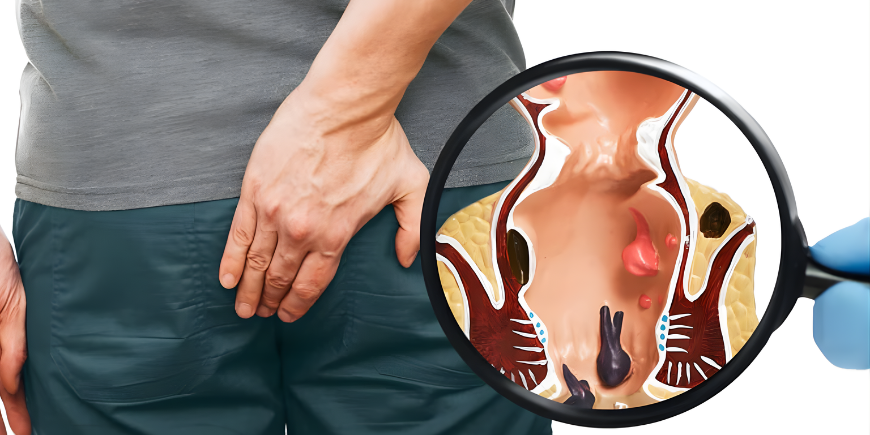
Modern Piles Treatment in Chennai for Comfortable and Effective Recovery
A Focused Approach to Treating Hemorrhoids with Comfort and Precision
Piles, also known as hemorrhoids, are one of the most common conditions I treat, yet many patients delay consultation due to discomfort or hesitation. What often starts as mild irritation or occasional bleeding can gradually develop into persistent pain and difficulty in daily activities. As a Piles Treatment Doctor in Chennai, my approach is to identify the condition early and guide patients toward the most effective treatment for lasting relief.
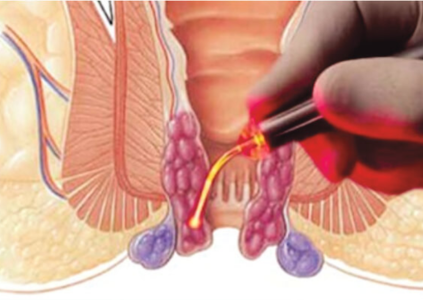
With advancements in medical care, piles treatment has become significantly more comfortable and precise. I use a combination of medical management and minimally invasive procedures, including laser-based techniques, to reduce discomfort and improve recovery. My goal is to ensure that patients receive safe, effective care that not only treats the condition but also prevents recurrence.
What I Focus on During Treatment
-
Identifying the underlying cause of hemorrhoids
-
Evaluating severity before recommending treatment
-
Using minimally invasive and modern techniques
-
Ensuring patient comfort and privacy
-
Preventing recurrence through proper guidance
-
Supporting long-term digestive health
How Hemorrhoids Develop and Progress Over Time
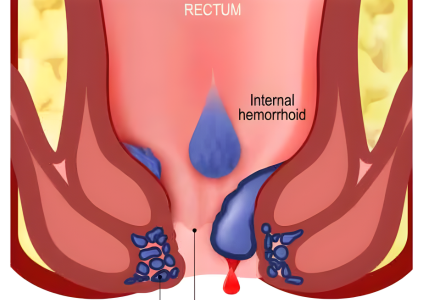
Hemorrhoids develop when there is increased pressure in the lower rectal veins, often caused by straining during bowel movements, prolonged sitting, or chronic constipation. In the early stages, symptoms may be mild and manageable, but over time the condition can worsen, leading to swelling, pain, and bleeding.
In my experience, patients often underestimate early symptoms, which can delay proper treatment. Understanding how piles develop helps in choosing the right intervention at the right stage, reducing the need for more complex procedures later.
Common Causes Behind Piles
-
Chronic constipation or straining
-
Prolonged sitting habits
-
Low-fiber diet
-
Sedentary lifestyle
-
Obesity and weight-related pressure
-
Irregular bowel patterns
Early Changes Patients Often Ignore
In the initial stages, hemorrhoids may not cause severe pain, which leads many patients to ignore the symptoms. However, small signs often indicate the beginning of the condition, and addressing them early can prevent progression.
I always advise patients to pay attention to these subtle changes, as early treatment can often be managed with simpler methods and minimal intervention.
Early Signs of Hemorrhoids
-
Mild discomfort during bowel movements
-
Occasional spotting of blood
-
Itching or irritation in the anal region
-
Feeling of incomplete bowel movement
-
Slight swelling or discomfort
-
Temporary pain while sitting
Warning Indicators That Require Medical Attention
As the condition progresses, symptoms may become more noticeable and difficult to manage. At this stage, a medical evaluation is necessary to prevent complications and ensure appropriate treatment.
As a Doctor for Piles Surgery in Chennai, I recommend a timely consultation when symptoms begin to interfere with daily life or do not improve with basic care.
Signs That Should Not Be Ignored
-
Persistent bleeding during bowel movements
-
Severe pain or discomfort
-
Prolapsed hemorrhoids
-
Swelling that does not reduce
-
Difficulty sitting for long periods
-
Recurrent or worsening symptoms
Types and Stages of Piles That Influence Treatment Decisions
Not all hemorrhoids are the same, and understanding their type and stage is essential before deciding on treatment. In my clinical evaluation, I classify piles based on their location and severity, as this directly affects the treatment approach and expected recovery.
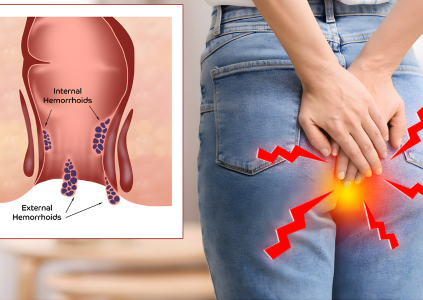
Internal piles may remain unnoticed in early stages, while external piles can cause discomfort and swelling. As the condition progresses, prolapse and persistent symptoms may require procedural intervention rather than simple medical management.
Common Classifications I Use in Practice
-
Internal hemorrhoids (inside the rectum)
-
External hemorrhoids (around the anal opening)
-
Grade I to IV classification based on severity
-
Prolapsed hemorrhoids requiring intervention
-
Thrombosed hemorrhoids causing acute pain
-
Recurrent cases needing advanced care
Treatment Planning Based on Individual Condition
Treatment for piles is not the same for every patient. I design a personalized treatment plan based on the severity of symptoms, stage of hemorrhoids, and the patient’s overall health. In early cases, non-surgical methods may be effective, while advanced cases may require procedural or surgical intervention.
As a Piles Treatment Hospital in Chennai, the focus is always on choosing the safest and most effective option that provides lasting relief with minimal discomfort.
Treatment Options I Commonly Recommend
-
Lifestyle and dietary modifications
-
Medications to reduce symptoms
-
Non-surgical procedures for early stages
-
Laser treatment for advanced piles
-
Minimally invasive surgical techniques
-
Combined treatment approaches if needed
Advanced Treatment Methods for Effective Hemorrhoid Care
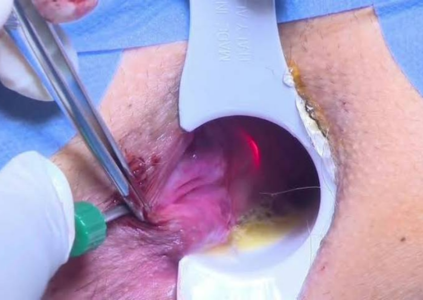
Modern piles treatment has evolved significantly with the introduction of laser and minimally invasive techniques. These methods allow precise treatment of hemorrhoids with reduced pain and faster recovery compared to traditional surgery.
In my practice, I prefer advanced techniques whenever suitable, as they improve patient comfort and reduce downtime. These procedures are designed to provide long-term relief while minimizing complications.
Advantages of Modern Treatment Techniques
-
Minimal pain during and after the procedure
-
Faster recovery time
-
Reduced hospital stay
-
Lower risk of complications
-
Improved precision in treatment
-
Early return to normal activities
Step-by-Step Approach I Follow for Piles Treatment
I believe that a clear and structured treatment process helps patients feel more confident and prepared. From initial consultation to complete recovery, each step is carefully planned to ensure safe and effective outcomes.
Below is an overview of how I manage piles treatment cases in a systematic and patient-focused way.
What Makes This Approach Effective
-
Structured and step-by-step treatment flow
-
Focus on accurate diagnosis before action
-
Use of modern and minimally invasive methods
-
Patient comfort throughout the process
-
Continuous monitoring and follow-up
-
Long-term prevention strategies
Treatment Process Overview
| Stage | What I Do | Patient Benefit |
|---|---|---|
| Initial Consultation | Assess symptoms and medical history | Clear understanding of condition |
| Clinical Evaluation | Physical examination and diagnosis | Accurate identification of stage |
| Treatment Planning | Decide medical or surgical approach | Personalized care |
| Procedure / Surgery | Perform laser or required treatment | Effective relief |
| Recovery Care | Monitor healing and manage symptoms | Faster recovery |
| Follow-Up | Prevent recurrence and ensure progress | Long-term relief |
Recovery Experience After Modern Piles Treatment
Recovery after piles treatment has improved significantly with the use of advanced and minimally invasive techniques. In most cases, patients experience less discomfort and are able to return to their normal routine much sooner compared to traditional methods. However, proper care during recovery is essential to ensure complete healing.
I guide every patient with clear post-treatment instructions based on the type of procedure performed. Following these guidelines helps in reducing complications and supports long-term results.
Recovery Guidelines I Provid
-
Follow prescribed medications regularly
-
Maintain a fiber-rich and balanced diet
-
Stay hydrated to ease bowel movements
-
Avoid straining during recovery
-
Limit prolonged sitting initially
-
Attend scheduled follow-up visits
Why Timely Treatment Makes a Significant Difference
One of the most important aspects of piles management is early intervention. Patients who seek treatment at an early stage often avoid complications and may not require surgical procedures. Delaying treatment can lead to worsening symptoms and more complex interventions.
In my experience, timely care not only reduces discomfort but also improves recovery outcomes. It allows for simpler, less invasive treatment methods and prevents long-term complications.
Benefits of Early Intervention
-
Prevents progression of hemorrhoids
-
Reduces risk of severe pain and bleeding
-
Minimizes need for surgery
-
Enables faster and simpler treatment
-
Improves overall comfort and daily function
-
Supports long-term digestive health
How I Determine the Right Time for Procedural or Surgical Care
Not every case of piles requires surgery, and careful decision-making is essential before recommending any procedure. I evaluate the severity of symptoms, frequency of recurrence, and response to previous treatments before suggesting the next step.
This approach ensures that patients receive only the treatment they truly need. When a procedure becomes necessary, choosing the right time helps achieve better outcomes and smoother recovery.
Factors I Consider Before Recommending Surgery
-
Severity and stage of hemorrhoids
-
Frequency of bleeding or pain
-
Response to medical treatment
-
Impact on daily life
-
Risk of complications
-
Overall patient health condition
Safety Measures and Treatment Precision in Piles Care
Patient safety is always my priority when performing any procedure. Modern piles treatment techniques are designed to minimize risk while improving precision and effectiveness. I ensure that every step, from diagnosis to recovery, is handled with care and attention.
Clear communication about the procedure, expected outcomes, and possible risks helps patients feel more confident and prepared for treatment.
Safety Protocols I Follow
-
Detailed clinical evaluation before treatment
-
Use of advanced and safe techniques
-
Strict hygiene and sterilization standards
-
Continuous monitoring during procedure
-
Post-treatment care and observation
-
Clear patient guidance and support
Life After Treatment and Maintaining Long-Term Relief
Once piles are treated effectively, most patients experience a noticeable improvement in comfort and daily routine. However, maintaining these results depends on proper lifestyle habits and regular care. In my approach, I ensure that patients understand how to prevent recurrence and support their digestive health after treatment.
Simple changes in diet, hydration, and daily habits can make a significant difference in long-term outcomes. With the right guidance, patients can continue their routine without recurring symptoms or discomfort.
Long-Term Care Focus After Treatment
-
Maintaining a fiber-rich and balanced diet
-
Staying well hydrated throughout the day
-
Avoiding prolonged sitting habits
-
Managing bowel movements without straining
-
Regular follow-up when needed
-
Adopting a healthier and active lifestyle
Moving Forward with the Right Care for Lasting Relief
Piles can be uncomfortable and sometimes distressing, but with the right diagnosis and treatment, they can be effectively managed. My focus is always on providing care that is safe, precise, and tailored to each patient’s condition. Modern treatment options allow patients to recover faster and return to their normal lives with confidence.
As a Piles Treatment Doctor in Chennai, my goal is to help patients move forward without recurring symptoms and with improved quality of life. Choosing the right treatment at the right time can make a significant difference in both recovery and long-term results.
What You Should Remember
-
Early treatment helps avoid complications
-
Accurate diagnosis ensures effective care
-
Modern techniques improve recovery
-
Proper aftercare supports long-term results
-
Lifestyle changes prevent recurrence
-
Expert guidance leads to better outcomes
Book Your Consultation for Piles Treatment in Chennai
If you are experiencing symptoms of piles or discomfort during bowel movements, it is important to seek medical advice early. Timely treatment can help prevent complications and ensure faster recovery.
I’m Dr. Karthikeyan Jayakumar, providing advanced piles treatment at Hayagriva Hospital, Chennai. My approach focuses on accurate diagnosis, modern treatment methods, and long-term relief.
FAQs on Piles Treatment in Chennai
1. When should I consult a doctor for piles treatment in Chennai?
You should consult a doctor if you experience persistent pain, bleeding, or discomfort during bowel movements that does not improve with home remedies.
2. What are the best treatment options for hemorrhoids?
Treatment options range from lifestyle changes and medication to advanced procedures like laser treatment, depending on the severity of the condition.
3. Is piles treatment painful?
Modern treatment methods, especially minimally invasive techniques, are designed to reduce pain and improve patient comfort during and after the procedure.
4. How long does it take to recover from piles treatment?
Recovery time varies, but many patients return to normal activities within a few days to a couple of weeks depending on the treatment used.
5. Can piles come back after treatment?
With proper lifestyle changes and medical guidance, the chances of recurrence can be significantly reduced.