Hydrocele Surgery

Hydrocele Surgery in Chennai for Safe and Effective Treatment of Scrotal Swelling
A Clinical Approach Focused on Accurate Diagnosis and Long-Term Resolution
In my clinical practice, I often see patients who notice a painless swelling in the scrotal area and are unsure whether it requires medical attention. In many cases, this condition is a hydrocele, where fluid accumulates around the testicle, causing visible enlargement. While hydrocele is generally not harmful in its early stages, it can gradually increase in size and lead to discomfort, heaviness, or concern. As a specialist providing Hydrocele Surgery in Chennai, my approach is to evaluate the condition carefully and determine whether observation or surgical intervention is the most appropriate option.
With advancements in surgical care, hydrocele treatment has become safer and more precise. When surgery is required, I focus on complete fluid removal and preventing recurrence through well-planned procedures. My goal is to ensure that patients receive treatment that not only resolves the swelling but also restores comfort and confidence in daily activities.
What I Assess Before Recommending Treatment
-
Size and progression of the swelling
-
Duration of symptoms
-
Presence of discomfort or heaviness
-
Impact on daily movement and activity
-
Risk of complications
-
Patient preference and overall health
Understanding Hydrocele Formation and Its Underlying Mechanism
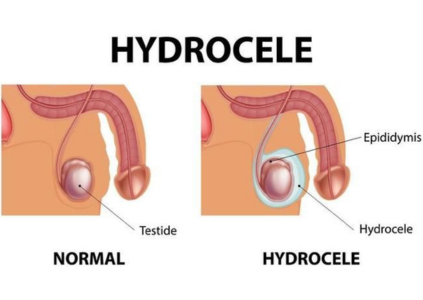
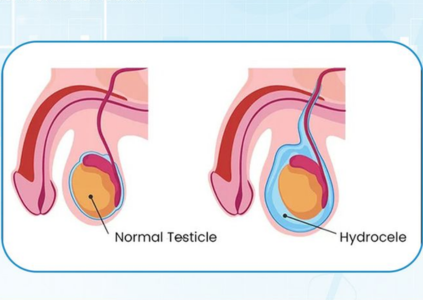
A hydrocele develops when fluid collects in the thin sac surrounding the testicle. This can occur due to imbalance in fluid production and absorption or as a result of inflammation, injury, or infection. In some cases, hydrocele may develop gradually without a clear cause, especially in adults.
From a clinical standpoint, hydrocele is usually benign, but it may require treatment if it increases in size or causes discomfort. Understanding how the condition forms helps in determining whether conservative management or surgical removal is required.
Common Causes and Contributing Factors
-
Imbalance in fluid production and absorption
-
Previous infection or inflammation
-
Injury to the scrotal area
-
Age-related changes in tissue
-
Associated inguinal conditions
-
Long-standing untreated swelling

Early Signs That Patients Often Overlook
In the early stages, hydrocele may present as a small swelling that does not cause pain. Because of this, many patients ignore the condition until it becomes more noticeable. However, early evaluation helps in confirming the diagnosis and planning appropriate management.
In my experience, addressing the condition early can simplify treatment and prevent unnecessary discomfort.
Early Symptoms of Hydrocele
-
Mild swelling in the scrotum
-
Soft, fluid-filled feeling
-
No significant pain initially
-
Gradual increase in size
-
Slight heaviness in the area
-
Changes noticed during physical activity
When Hydrocele Requires Medical or Surgical Intervention
Not all hydroceles need immediate surgery, but certain conditions make treatment necessary. When the swelling increases in size, causes discomfort, or affects daily life, surgical removal becomes the most effective solution.
As part of Hydrocele Treatment in Chennai, I guide patients on when to consider surgery and what treatment option would provide the best outcome. Timely intervention helps prevent complications and ensures a smoother recovery.
Situations Where Surgery is Recommended
-
Increasing size of the hydrocele
-
Discomfort or heaviness
-
Difficulty in movement or activity
-
Cosmetic concerns
-
Associated pain or complications
-
Persistent hydrocele not resolving over time
Identifying Different Types of Hydrocele for Accurate Treatment Planning
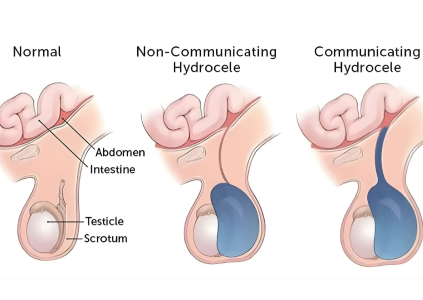
In hydrocele management, understanding the type of swelling is essential before deciding on treatment. Not all hydroceles behave in the same way, and identifying whether it is a simple or communicating hydrocele helps in planning the most appropriate approach.
In my clinical assessment, I carefully evaluate whether the fluid collection is isolated or connected to the abdominal cavity. This distinction is important because it influences both the surgical method and the long-term outcome.
Types of Hydrocele I Commonly Diagnose
-
Non-communicating hydrocele with isolated fluid collection
-
Communicating hydrocele linked to abdominal fluid flow
-
Congenital hydrocele seen in early life
-
Adult-onset hydrocele developing gradually
-
Secondary hydrocele due to infection or injury
-
Recurrent hydrocele after previous treatment
Choosing the Most Effective Treatment Approach for Hydrocele
Treatment for hydrocele depends on the severity, size, and symptoms experienced by the patient. In mild cases, observation may be sufficient, but in most adult cases, surgical treatment provides a definitive solution.
As part of Hydrocele Surgery in Chennai, I evaluate each case individually to determine whether surgical removal is necessary. The goal is to provide a treatment that eliminates the fluid collection completely and reduces the chance of recurrence.
Treatment Options I Commonly Recommend
-
Observation for small, asymptomatic hydroceles
-
Surgical hydrocelectomy for definitive treatment
-
Laser treatment for hydrocele in selected cases
-
Minimally invasive procedures for faster recovery
-
Management of underlying causes if present
-
Combined approaches for complex cases
Advancements in Hydrocele Surgery for Better Outcomes
Modern hydrocele surgery has evolved with techniques that allow more precise removal of the fluid-filled sac while minimizing discomfort. Procedures are now designed to be safer, with reduced recovery time and improved patient experience.
In my practice, I focus on using advanced techniques that ensure effective treatment while maintaining patient comfort. These methods also reduce complications and improve long-term results.
Benefits of Modern Hydrocele Treatment Techniques
-
Reduced post-procedure discomfort
-
Faster recovery time
-
Smaller incisions in advanced methods
-
Lower risk of complications
-
Improved precision in treatment
-
Better long-term outcomes
Step-by-Step Approach I Follow for Hydrocele Surgery
A structured treatment pathway ensures clarity and confidence for patients undergoing hydrocele surgery. I follow a systematic approach that begins with accurate diagnosis and continues through treatment and recovery monitoring.
Each stage is designed to ensure safe treatment and effective long-term results.
Treatment Process Overview
| Stage | What I Do | Patient Benefit |
|---|---|---|
| Initial Consultation | Evaluate swelling and symptoms | Clear understanding of condition |
| Diagnostic Assessment | Physical exam and imaging if required | Accurate diagnosis |
| Treatment Planning | Decide observation or surgery | Personalized care plan |
| Surgical Procedure | Perform hydrocelectomy or advanced technique | Effective removal of fluid |
| Recovery Monitoring | Guide healing and manage symptoms | Smooth recovery |
| Follow-Up | Ensure no recurrence | Long-term relief |
What Makes This Treatment Approach Effective
-
Accurate identification of hydrocele type
-
Personalized treatment planning
-
Use of advanced surgical methods
-
Focus on patient comfort and safety
-
Continuous monitoring during recovery
-
Strong emphasis on preventing recurrence
Recovery Experience and Healing After Hydrocele Surgery
Recovery after hydrocele surgery is generally smooth, especially when the procedure is planned carefully and performed using modern techniques. Most patients notice a reduction in swelling soon after surgery, although mild discomfort may be present during the initial healing phase. Proper care during this period plays an important role in ensuring complete recovery.
In my approach, I guide patients through each stage of recovery so they understand how to manage daily activities and support healing. The objective is to allow the surgical area to heal properly while minimizing strain and preventing complications.
Recovery Guidelines I Recommend
-
Wear supportive garments if advised
-
Follow prescribed medications regularly
-
Avoid strenuous activities during early recovery
-
Maintain proper hygiene in the area
-
Monitor for any unusual swelling or discomfort
-
Attend follow-up visits for progress assessment
Why Timely Treatment Improves Outcomes in Hydrocele
Hydrocele may initially appear harmless, but delaying treatment can lead to an increase in size and discomfort. Larger hydroceles may require more extensive surgical intervention and can affect daily activities such as walking or sitting comfortably.
From a clinical perspective, early treatment allows for simpler procedures and faster recovery. Addressing the condition at the right time helps prevent complications and improves overall outcomes.
Benefits of Early Intervention
-
Prevents increase in size of swelling
-
Reduces discomfort and heaviness
-
Enables simpler surgical procedures
-
Shortens recovery period
-
Improves treatment success rate
-
Enhances overall comfort
How I Determine Whether Surgery is Necessary
Not every hydrocele requires immediate surgery, and careful evaluation is essential before recommending any procedure. I assess the size, progression, and impact of the swelling on daily life before deciding the best course of action.
When the hydrocele begins to cause discomfort or interfere with routine activities, surgery becomes the most effective option. My focus is always on ensuring that treatment is necessary and beneficial for the patient.
Factors That Guide My Decision-Making
-
Size and growth of the hydrocele
-
Presence of discomfort or heaviness
-
Duration of the condition
-
Impact on daily activities
-
Associated symptoms or complications
-
Patient preference and overall health
Maintaining Precision and Safety in Hydrocele Treatment
Hydrocele surgery requires careful planning to ensure complete removal of the fluid and prevention of recurrence. My approach focuses on performing the procedure with precision while minimizing risks and ensuring patient safety.
Modern surgical techniques allow for controlled and effective treatment with reduced complications. Proper follow-up care also plays a key role in achieving long-term success.
Safety Measures I Follow
-
Detailed pre-surgical evaluation
-
Use of advanced surgical techniques
-
Strict hygiene and sterilization protocols
-
Continuous monitoring during the procedure
-
Structured post-surgical care
-
Regular follow-up for long-term results
Moving Forward with Reliable Treatment for Long-Term Comfort
Hydrocele may start as a painless swelling, but over time it can affect comfort, mobility, and confidence if left untreated. With proper evaluation and a well-planned treatment approach, it can be managed effectively and resolved completely. In my practice, I focus on providing care that addresses the condition at its root and ensures long-term relief.
Modern surgical techniques have made hydrocele treatment safer and more efficient, allowing patients to recover with minimal disruption to their routine. As a specialist offering Hydrocele Surgery in Chennai, my goal is to help patients achieve complete resolution of the condition and return to their normal activities comfortably.
What You Should Keep in Mind
-
Early evaluation helps simplify treatment
-
Accurate diagnosis ensures proper management
-
Modern techniques improve recovery experience
-
Post-surgical care supports healing
-
Follow-up helps prevent recurrence
-
Expert guidance leads to better outcomes
Book Your Consultation for Hydrocele Surgery
If you are experiencing scrotal swelling or discomfort, it is important to seek medical advice at the right time. Proper diagnosis helps determine whether treatment is required and ensures safe management.
I’m Dr. Karthikeyan Jayakumar, providing advanced hydrocele treatment atHayagriva Hospital, Chennai. My approach focuses on accurate diagnosis, safe surgical care, and long-term comfort.
FAQs on Hydrocele Surgery
1. When should I consider hydrocele surgery in Chennai?
You should consider surgery if the swelling increases in size, causes discomfort, or affects your daily activities.
2. Can hydrocele go away without surgery?
In many adult cases, hydrocele does not resolve on its own and may require surgical treatment for complete removal.
3. Is hydrocele surgery painful?
Modern techniques are designed to minimize discomfort, and most patients tolerate the procedure well.
4. How long does recovery take after hydrocele surgery?
Recovery usually takes a few weeks, depending on the size of the hydrocele and the procedure performed.
5. Can hydrocele come back after surgery?
Recurrence is uncommon when the procedure is performed correctly, but follow-up care is important for long-term results.