Diabetic Foot Surgery

Diabetic Foot Surgery in Chennai for Advanced Care and Prevention of Foot Complications
A Focused Approach to Protecting Foot Health in Diabetes Patients
In my clinical practice, one of the most serious complications I manage in patients with diabetes is diabetic foot problems. These conditions often begin with minor issues such as small wounds or reduced sensation but can progress rapidly if not addressed early. As a Diabetic Foot Surgeon in Chennai, my approach is to identify the problem at the earliest stage and provide treatment that prevents further damage and supports healing.
Diabetic foot conditions require careful evaluation because they involve a combination of poor blood circulation, nerve damage, and increased risk of infection. My focus is on providing Diabetic Foot Care that is both preventive and corrective, ensuring that complications are managed effectively and limb function is preserved whenever possible.
What I Focus on During Evaluation
-
Identifying early signs of tissue damage
-
Assessing blood flow and nerve function
-
Evaluating wound severity and infection
-
Understanding patient's diabetic control
-
Planning appropriate treatment strategy
-
Preventing progression to severe stages
Understanding How Diabetic Foot Problems Develop
Diabetic foot conditions develop due to long-term effects of diabetes on nerves and blood vessels. Reduced sensation in the feet (neuropathy) makes it difficult for patients to notice injuries, while poor circulation delays healing. This combination increases the risk of wounds, ulcers, and infections.
From a clinical perspective, these problems often progress silently until complications become severe. Understanding the underlying mechanism helps in planning treatment that not only heals the wound but also addresses the root cause.
Common Causes of Diabetic Foot Complications
-
Nerve damage leading to loss of sensation
-
Poor blood circulation in the lower limbs
-
Unnoticed injuries or pressure points
-
Delayed wound healing
-
Increased risk of infection
-
Improper foot care practices
.png)
Early Changes That Should Never Be Ignored
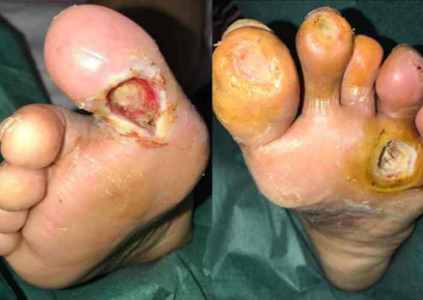
In many cases, diabetic foot complications begin with subtle signs that are often overlooked. Patients may not feel pain due to reduced sensation, which delays medical attention. However, early identification of these changes can prevent serious complications.
In my approach, I emphasize early evaluation and regular foot checks to detect problems before they worsen.
Early Signs of Diabetic Foot Problems
-
Small cuts or wounds that do not heal
-
Redness or swelling in the foot
-
Changes in skin color or temperature
-
Numbness or tingling sensation
-
Dry or cracked skin
-
Mild discomfort while walking
When Surgical Intervention Becomes Necessary
While many diabetic foot conditions can be managed with medical care, certain situations require surgical intervention to prevent further complications. In advanced cases, surgery helps remove infected tissue, improve healing, and preserve as much function as possible.
As part of a Diabetic Foot Care Centre, I carefully assess when surgery is required and ensure that it is performed with precision and safety to achieve the best possible outcome.
Situations Where Surgery May Be Required
-
Deep or non-healing ulcers
-
Severe infection or abscess
-
Dead or damaged tissue (necrosis)
-
Spread of infection to deeper layers
-
Failure of conservative treatment
-
Risk of further complications
Clinical Types of Diabetic Foot Conditions and Their Treatment Needs
Diabetic foot problems can present in different forms depending on the underlying cause and severity. In my clinical evaluation, I differentiate between neuropathic, ischemic, and infected foot conditions, as each requires a different treatment approach. Understanding this distinction is essential to prevent complications and guide proper management.
Some patients may present with non-healing ulcers, while others may have infections or tissue damage that require immediate intervention. Identifying the type and stage of the condition helps in planning targeted treatment that improves healing and preserves foot function.
Common Diabetic Foot Conditions I Treat
-
Neuropathic ulcers caused by loss of sensation
-
Ischemic foot due to reduced blood flow
-
Infected diabetic wounds
-
Gangrene and tissue damage
-
Pressure ulcers from improper footwear
-
Recurrent or chronic foot wounds
Treatment Planning Based on Severity and Patient Condition
Treatment for diabetic foot conditions requires a comprehensive approach that considers wound severity, infection level, and blood circulation. In early stages, conservative care may be sufficient, but advanced cases often require surgical intervention to prevent further complications.
As part of a Diabetic Foot surgery Clinic, I develop individualized treatment plans that focus on controlling infection, improving blood supply, and promoting healing. The goal is to manage the condition effectively while preserving mobility and preventing amputation.
Treatment Options I Commonly Use
-
Wound care and dressing management
-
Infection control with appropriate medication
-
Offloading techniques to reduce pressure
-
Surgical debridement of infected tissue
-
Reconstructive procedures when needed
-
Advanced wound healing therapies
Advanced Techniques That Improve Healing and Limb Preservation
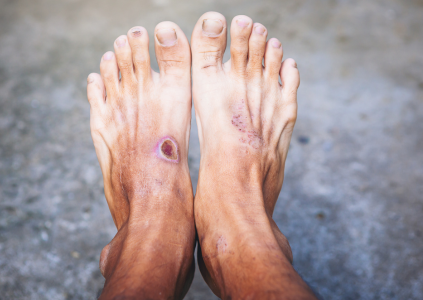
Modern advancements in diabetic foot care have significantly improved the ability to treat complex wounds and prevent complications. Techniques such as advanced wound care therapies, precise surgical debridement, and improved infection control methods allow better healing outcomes.
In my practice, I focus on using these advanced approaches to ensure that treatment is both effective and patient-centered. The emphasis is always on preserving the limb and restoring function whenever possible.
Benefits of Modern Diabetic Foot Treatment Methods
-
Faster wound healing
-
Better infection control
-
Reduced risk of complications
-
Improved tissue preservation
-
Enhanced patient comfort
-
Higher success in limb salvage
.png)
Step-by-Step Clinical Approach to Diabetic Foot Surgery
A structured and well-planned treatment pathway is essential in managing diabetic foot conditions. I follow a systematic process that ensures accurate diagnosis, appropriate intervention, and continuous monitoring.
Each stage is designed to provide clarity, safety, and effective long-term outcomes.
Treatment Process Overview
| Stage | What I Do | Patient Benefit |
|---|---|---|
| Initial Consultation | Assess foot condition and symptoms | Clear understanding of issue |
| Diagnostic Evaluation | Evaluate blood flow, nerves, and infection | Accurate diagnosis |
| Treatment Planning | Decide medical or surgical approach | Personalized care |
| Procedure | Perform required surgical or wound treatment | Effective management |
| Recovery Monitoring | Guide healing and infection control | Safe recovery |
| Follow-Up | Prevent recurrence and complications | Long-term foot health |
What Makes This Treatment Approach Effective
-
Comprehensive evaluation of all risk factors
-
Focus on both wound healing and prevention
-
Use of advanced treatment techniques
-
Patient-specific treatment planning
-
Continuous monitoring and support
-
Strong emphasis on long-term outcomes
Healing Progress and Recovery After Diabetic Foot Surgery
Recovery after diabetic foot surgery requires careful monitoring and a structured care plan. Unlike routine procedures, healing in diabetic patients depends on multiple factors such as blood sugar control, circulation, and infection management. In my approach, I closely guide patients through the recovery phase to ensure that the surgical site heals properly and complications are minimized.
The focus during recovery is not only on wound healing but also on preventing recurrence. I emphasize proper wound care, regular follow-up, and lifestyle adjustments to support long-term foot health and mobility.
Recovery Guidelines I Recommend
-
Maintain strict blood sugar control
-
Follow wound care instructions carefully
-
Keep the affected area clean and protected
-
Avoid pressure on the surgical site
-
Attend regular follow-up visits
-
Report any signs of infection immediately
Why Early Intervention is Critical in Diabetic Foot Care
Timely treatment plays a crucial role in managing diabetic foot conditions. When addressed early, many complications can be prevented, and treatment becomes less complex. Delayed intervention, however, can lead to worsening infections, tissue damage, and increased risk of severe complications.
From a clinical perspective, early evaluation allows for better planning and improved outcomes. It also increases the chances of preserving the affected limb and maintaining normal function.
Benefits of Early Treatment
-
Prevents progression of infection
-
Reduces risk of tissue damage
-
Improves wound healing outcomes
-
Minimizes need for extensive surgery
-
Enhances chances of limb preservation
-
Shortens recovery duration
How I Determine the Most Appropriate Surgical Approach
Diabetic foot surgery requires careful decision-making, as each case presents unique challenges. I evaluate the severity of the condition, extent of infection, and overall patient health before recommending surgery. The goal is always to choose the approach that provides maximum benefit while minimizing risk.
This individualized approach ensures that treatment is both effective and safe. When surgery is necessary, it is performed with precision to remove affected tissue while preserving as much healthy structure as possible.
Factors That Guide My Surgical Decisions
-
Severity of infection or tissue damage
-
Blood circulation in the affected area
-
Response to previous treatments
-
Presence of underlying complications
-
Patient's overall health condition
-
Risk of further progression
Maintaining Safety and Precision in Diabetic Foot Surgery
Safety is a critical aspect of diabetic foot treatment due to the complexity of the condition. My approach focuses on careful planning, precise execution, and continuous monitoring to ensure the best possible outcomes.
With modern techniques and strict protocols, the risks associated with surgery can be minimized. Patient education and follow-up care also play a vital role in ensuring long-term success.
Safety Measures I Follow
-
Detailed pre-surgical evaluation
-
Strict infection control protocols
-
Use of advanced surgical techniques
-
Continuous monitoring during procedures
-
Structured post-surgical care
-
Regular follow-up for long-term outcomes
Moving Toward Better Foot Health with Timely and Specialized Care
Diabetic foot conditions require careful attention and timely intervention to prevent complications and preserve mobility. What may begin as a small wound can quickly progress if not treated properly. With the right diagnosis and a well-structured treatment plan, these conditions can be managed effectively, ensuring both healing and long-term foot health.
In my practice, I focus on providing comprehensive care that addresses not only the current condition but also prevents future complications. As a specialist offering Diabetic Foot Surgery in Chennai, my goal is to help patients maintain mobility, avoid severe complications, and improve their overall quality of life through safe and effective treatment.
What You Should Keep in Mind
-
Early evaluation helps prevent serious complications
-
Proper diagnosis ensures effective treatment
-
Modern techniques improve healing outcomes
-
Post-treatment care is essential for recovery
-
Follow-up helps maintain long-term foot health
-
Expert care supports better overall outcomes
Book Your Consultation for Diabetic Foot Surgery
If you are experiencing non-healing wounds, swelling, or signs of infection in your feet, it is important to seek medical care at the earliest. Timely intervention can prevent complications and improve recovery outcomes.
I'm Dr. Karthikeyan Jayakumar, providing advanced diabetic foot care at Hayagriva Hospital, Chennai. My approach focuses on accurate diagnosis, safe surgical treatment, and long-term foot health management.
FAQs on Diabetic Foot Surgery
1. When should I consult a diabetic foot surgeon in Chennai?
You should consult a specialist if you notice non-healing wounds, infection, swelling, or changes in the skin of your feet.
2. Is diabetic foot surgery always required?
Not all cases require surgery. Early-stage conditions can often be managed with proper wound care and medical treatment.
3. How long does recovery take after diabetic foot surgery?
Recovery varies depending on the severity, but proper care and follow-up significantly improve healing time.
4. Can diabetic foot complications be prevented?
Yes, with regular foot care, proper diabetes control, and early medical attention, many complications can be prevented.
5. Is diabetic foot treatment painful?
Modern treatment methods are designed to reduce discomfort and improve patient comfort during and after treatment.