Uterus Removal (Hysterectomy)
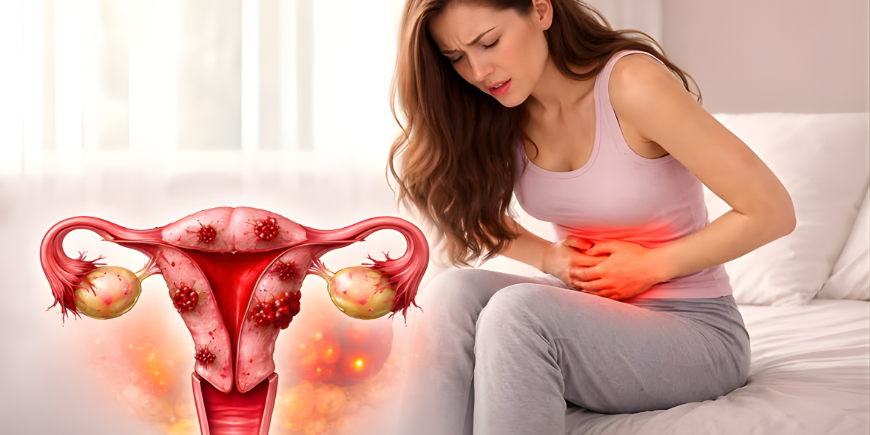
Uterus Removal in Chennai Planned with Advanced Hysterectomy Techniques for Safer Recovery and Long-Term Relief
When Uterus Removal Becomes a Medically Recommended Solution
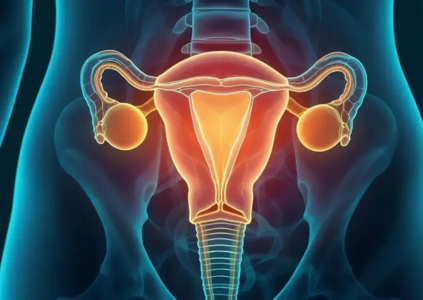
In my clinical practice, uterus removal is considered when certain gynecological conditions begin to affect a woman's health, comfort, or daily functioning. While many conditions can initially be managed with medication or non-surgical care, there are situations where surgery becomes the most effective and lasting solution. As a provider of Uterus Removal in Chennai, I focus on identifying when a hysterectomy is truly necessary and beneficial.
A hysterectomy is not recommended lightly. It is carefully planned based on the severity of the condition, response to previous treatments, and the patient's overall health. The goal is to provide long-term relief while ensuring safety and a smooth recovery process.
Conditions That May Lead to Hysterectomy
-
Persistent heavy or abnormal bleeding
-
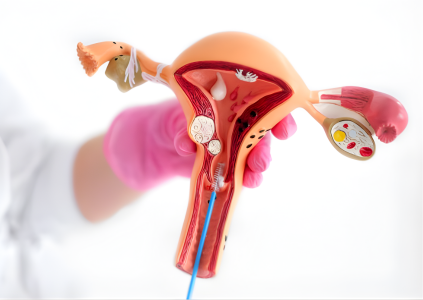
Uterine fibroids causing discomfort
-
Chronic pelvic pain
-
Endometriosis not responding to treatment
-
Uterine prolapse
-
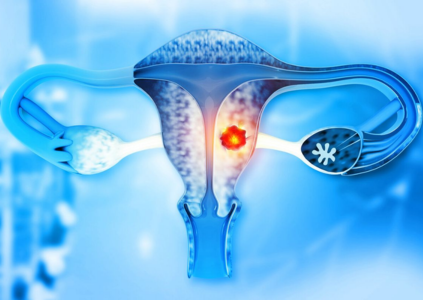
Suspicion or presence of abnormal growth
Understanding Different Types of Hysterectomy Procedures
Hysterectomy procedures vary depending on the condition being treated and the extent of surgery required. In my approach to Uterus Removal Surgery in Chennai, I carefully choose the method that offers the best outcome with minimal impact on surrounding tissues.
Each type of procedure is selected based on clinical findings, ensuring that the treatment is both effective and tailored to the patient's needs.
Types of Uterus Removal Procedures
-
Total hysterectomy (removal of uterus and cervix)
-
Partial hysterectomy (removal of uterus only)
-
Radical hysterectomy in specific cases
-
Laparoscopic hysterectomy (minimally invasive)
-
Abdominal hysterectomy for complex cases
-
Vaginal hysterectomy where appropriate
How Symptoms Indicate the Need for Surgical Evaluation
Many patients delay consultation because symptoms develop gradually or seem manageable initially. However, certain signs indicate that medical evaluation is necessary and that surgery may be required.
In my clinical practice, early assessment allows for better planning and reduces the need for more complex procedures later. As a Uterus Removal Surgery Doctor in Chennai, I guide patients in understanding these symptoms clearly.
Symptoms That Should Not Be Ignored
-
Heavy or prolonged menstrual bleeding
-
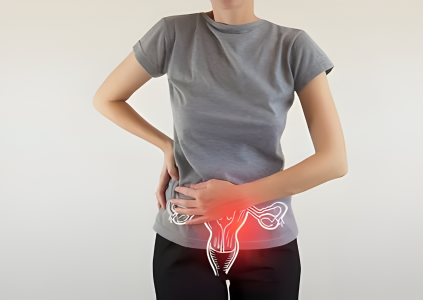
Severe pelvic or abdominal pain
-
Pressure or discomfort in the pelvic region
-
Frequent urination due to uterine pressure
-
Fatigue related to blood loss
-
Discomfort affecting daily activities
Choosing the Right Hospital for Hysterectomy Surgery
Selecting the right facility plays an important role in the success of the procedure. A well-equipped Hospital for Hysterectomy Surgery ensures that patients receive proper diagnosis, safe surgical care, and structured recovery support.
In my approach, I emphasize the importance of surgical planning, advanced techniques, and post-operative care. These factors contribute significantly to patient safety and long-term outcomes.
What to Look for in a Surgical Facility
-
Availability of advanced surgical technology
-
Experienced surgical team
-
Proper diagnostic and monitoring facilities
-
Focus on minimally invasive techniques
-
Structured recovery and follow-up care
-
Patient-centered treatment approach
How the Right Surgical Approach Is Selected for Uterus Removal
Choosing the appropriate method for uterus removal depends on multiple clinical factors. In my approach to Uterus Removal in Chennai, I evaluate the size of the uterus, underlying condition, patient's medical history, and expected recovery outcomes before deciding the surgical technique.
The aim is to select a method that provides complete treatment while minimizing surgical impact. In many cases, minimally invasive approaches such as laparoscopic hysterectomy offer faster recovery and reduced discomfort, making them a preferred choice when suitable.
Key Factors That Influence Surgical Approach
-
Size and condition of the uterus
-
Presence of fibroids or abnormal growth
-
Previous medical or surgical history
-
Severity of symptoms
-
Patient's overall health condition
-
Expected recovery timeline
Comparing Minimally Invasive and Conventional Hysterectomy Methods
Modern advancements have introduced different surgical options for hysterectomy, each with its own advantages. Understanding these differences helps patients make informed decisions about their treatment.
In my practice, I explain how each method works and recommend the most suitable option based on clinical evaluation. As part of Advanced Hysterectomy Surgery in Chennai, the focus is always on achieving effective results with maximum safety.
Differences Between Surgical Techniques
-
Laparoscopic hysterectomy involves smaller incisions
-
Open surgery may be required for complex cases
-
Minimally invasive methods offer faster recovery
-
Conventional methods may involve longer healing time
-
Blood loss is generally lower in advanced techniques
-
Hospital stay is often shorter with minimally invasive procedures
How Treatment Planning Ensures Better Outcomes
A well-structured treatment plan plays a key role in achieving successful results. Before performing Uterus Removal Surgery in Chennai, I ensure that every aspect of the patient's condition is evaluated thoroughly.
Planning includes diagnostic assessments, preparation for surgery, and post-operative care strategies. This structured approach helps reduce risks and supports a smoother recovery process.
Elements of Effective Treatment Planning
-
Detailed clinical evaluation and imaging
-
Clear diagnosis of the underlying condition
-
Selection of the most suitable surgical method
-
Pre-surgical preparation guidelines
-
Post-surgical recovery planning
-
Long-term follow-up strategy
Step-by-Step Clinical Pathway for Hysterectomy Surgery
Understanding the treatment journey helps patients feel more confident and prepared. I follow a structured pathway that ensures clarity, safety, and effective results at every stage of Uterus Removal in Chennai.
Treatment Process Overview
| Stage | Clinical Focus | Patient Benefit |
|---|---|---|
| Initial Consultation | Assess symptoms and medical history | Clear understanding of condition |
| Diagnostic Evaluation | Imaging and necessary tests | Accurate diagnosis |
| Treatment Planning | Decide surgical approach | Personalized care plan |
| Surgical Procedure | Perform hysterectomy with precision | Effective treatment |
| Recovery Monitoring | Manage healing and comfort | Smooth recovery |
| Follow-Up Care | Track long-term outcomes | Prevention of complications |
Why This Structured Approach Works
-
Accurate diagnosis before surgery
-
Individualized treatment planning
-
Use of advanced surgical techniques
-
Continuous monitoring during recovery
-
Focus on patient safety and comfort
-
Long-term outcome-oriented care
What to Expect Physically and Functionally After Uterus Removal Surgery
After undergoing Uterus Removal in Chennai, patients often have concerns about how their body will adjust. Recovery is not only about healing from surgery but also about understanding physical changes and regaining daily comfort. Most patients experience gradual improvement in symptoms that originally led to the procedure, such as heavy bleeding or pelvic pain.
From a clinical perspective, the body adapts well after hysterectomy, especially when the procedure is planned correctly. My focus is on helping patients understand what changes are normal and how to manage them effectively during recovery.
Key Changes Patients May Notice
-
Relief from previous symptoms like pain or bleeding
-
Gradual return to normal physical activity
-
Temporary fatigue during early recovery
-
Improvement in overall comfort and mobility
-
Stabilization of daily routine over time
-
Better quality of life post-treatment
How Recovery Timeline Varies Based on Surgical Method
Recovery after Uterus Removal Surgery in Chennai depends on the type of procedure performed. Minimally invasive techniques such as laparoscopic hysterectomy generally allow faster healing, while open procedures may require more time.
In my approach, I provide a clear recovery plan so patients know what to expect at each stage. This helps in managing expectations and ensuring a smooth transition back to normal activities.
Factors That Influence Recovery Duration
-
Type of hysterectomy performed
-
Patient's overall health condition
-
Presence of underlying conditions
-
Level of physical activity after surgery
-
Adherence to post-surgical care instructions
-
Individual healing response
How Potential Risks Are Managed During and After Surgery
Every surgical procedure carries some level of risk, but with proper planning and execution, these risks can be minimized significantly. As part of Uterus Removal in Chennai, I focus on preventive measures that ensure patient safety throughout the process.
Modern techniques, combined with structured monitoring, reduce the likelihood of complications and improve outcomes. Clear communication with patients also helps in identifying any concerns early.
Safety Measures That Reduce Risk
-
Detailed pre-surgical evaluation
-
Use of advanced surgical techniques
-
Continuous monitoring during the procedure
-
Strict hygiene and sterilization protocols
-
Early detection of post-surgical issues
-
Clear recovery and follow-up guidance
How Patients Decide When Hysterectomy Is the Right Choice
Deciding to undergo hysterectomy is a significant step, and patients often need clarity before making this decision. In my practice, I guide patients through a structured evaluation process to determine whether surgery is necessary and beneficial.
The decision is based on symptom severity, response to previous treatments, and overall impact on quality of life. When symptoms persist or worsen, surgery often becomes the most effective long-term solution.
Indicators That Help in Decision-Making
-
Persistent symptoms despite treatment
-
Increasing discomfort affecting daily life
-
Diagnosis of conditions requiring surgical removal
-
Limited response to non-surgical methods
-
Medical recommendation based on evaluation
-
Need for long-term relief and stability
Moving Ahead with a Clear Plan for Long-Term Health and Symptom Relief
When symptoms begin to affect daily comfort, energy levels, or overall well-being, choosing the right treatment becomes essential. A well-planned Uterus Removal in Chennai offers a structured solution that focuses not only on addressing the condition but also on improving long-term health outcomes. With the right approach, patients often experience significant relief from ongoing symptoms that were previously difficult to manage.
In my practice, I focus on providing care that is both precise and patient-centered. Every hysterectomy procedure is planned based on individual needs, ensuring that the treatment supports recovery, stability, and improved quality of life. The emphasis is always on delivering results that are sustainable and aligned with the patient's health goals.
What Patients Should Keep in Mind Before Proceeding
-
Early intervention can simplify treatment
-
Proper diagnosis improves surgical outcomes
-
Modern techniques support faster recovery
-
Post-surgical care plays a key role in healing
-
Follow-up ensures long-term stability
-
Expert guidance improves overall experience
Taking the Next Step Toward Safe and Planned Hysterectomy Care
If you are experiencing persistent symptoms such as heavy bleeding, pelvic discomfort, or conditions that have not responded to treatment, a clinical evaluation can help determine whether Uterus Removal Surgery in Chennai is the right option. Timely consultation allows for better planning and reduces the risk of complications.
Dr. Karthikeyan Jayakumar provides specialized care at Hayagriva Hospital, Chennai, focusing on accurate diagnosis, advanced surgical methods, and structured recovery support.
Frequently Asked Questions on Uterus Removal
1. When is uterus removal surgery recommended?
Uterus removal is recommended when conditions such as fibroids, severe bleeding, or chronic pelvic pain do not improve with other treatments.
2. Is laparoscopic hysterectomy better than open surgery?
Minimally invasive procedures like laparoscopic hysterectomy often provide faster recovery and less discomfort, but the choice depends on the specific condition.
3. How long does it take to recover after hysterectomy?
Recovery time varies depending on the surgical method, but most patients gradually return to normal activities within a few weeks.
4. Will uterus removal affect hormonal balance?
Hormonal changes depend on whether the ovaries are removed along with the uterus. This is discussed in detail before surgery.
5. Is hysterectomy a safe procedure?
Yes, with proper planning, advanced techniques, and expert care, hysterectomy is performed safely with good outcomes.